Skip to content
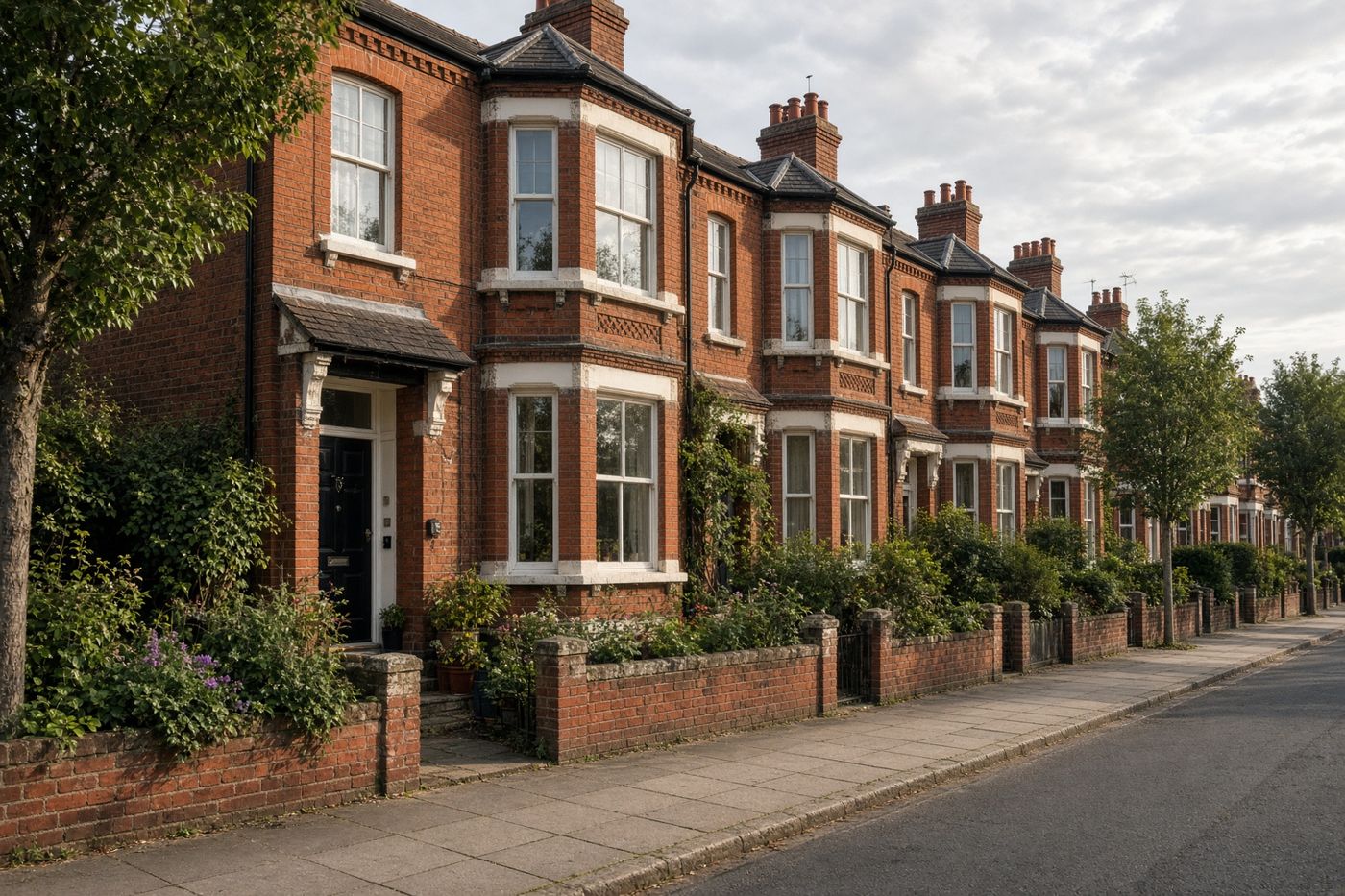
Red-brick Victorian terrace with bay windows in afternoon light

Five tests, in this order

The method is a sequence, not a mindset

Every classroom deal is run the same way. If a test fails, you stop. Charm, a newly painted hall, and a gross yield in an advert do not skip a test.

01

Nation and price, with purchase costs

Name England, Scotland, Wales, or Northern Ireland. Fetch the purchase-tax figure from the official calculator on the day. Add legal fees you have been quoted or a clearly labelled allowance you intend to replace. A deposit percentage that ignores these is not a deposit.

02

Rent, gross, then the stack

Use a rent you could evidence, not a hope. Compute gross yield. Then subtract the cost stack until you have a figure before finance. If a service charge or ground rent is unknown on a leasehold, the test is failed until it is known.

03

Finance stress

Model the rate you were shown, then one point higher, then two. Do it interest-only and on a repayment sketch. The course never treats a lender’s illustration as our work. If you do not yet have a rate, you still stress a range and you say so.

04

Tax shape

For an individual, show profit and cash as different lines. Apply the finance-cost reducer that is in force for that tax year and that nation’s income tax. For 2026/27 classroom work the reducer we type is 20%. Date it. Then write the question for a tax adviser instead of inventing a personal allowance story.

05

Tenure, licence, and whether the home can legally be let as you imagine

Match the letting to the nation. In England, assume an assured periodic tenancy for a normal private letting started or converted on or after 1 May 2026, and check the exceptions rather than importing an old section 21 plan. In Scotland, start from the private residential tenancy and registration. In Wales, start from the occupation contract and Rent Smart Wales. In Northern Ireland, open the current official guidance before you draft anything. Then check energy, safety certificates, and whether the local authority licences that street or that household size. Unknown means you do not offer.

Classroom Model A

Invented. Not a listing. Not a forecast.

Price
£185,000
Monthly rent
£900
Annual rent
£10,800
Gross yield
5.84%
Operating allowance, 25% of rent
£2,700
Amount before finance
£8,100
Loan at 75%
£138,750
Interest-only at 5.5%
£7,631
Cash before tax at 5.5%
about £469
Interest-only at 6.5%
£9,019
Cash before tax at 6.5%
about −£919

Rounded to the nearest pound. Purchase tax is deliberately not baked in as if it were universal: you add the official figure for the nation. A 25% operating allowance is a classroom lump, used so you can see the method. On a real memo you replace it with named lines. Tax is not subtracted here. That is test four, and it can make a thin cash year look like a larger taxable profit.

Classroom Model B

Also invented. Shown because it survives the same stress.

Price
£155,000
Monthly rent
£950
Annual rent
£11,400
Gross yield
7.35%
Operating allowance, 22% of rent
£2,508
Amount before finance
£8,892
Loan at 75%
£116,250
Interest-only at 5.5%
£6,394
Cash before tax at 5.5%
about £2,498
Interest-only at 6.5%
£7,556
Cash before tax at 6.5%
about £1,336

Cash to complete in this sketch is the 25% deposit (£38,750) plus a labelled purchase-cost allowance of £4,500, which you replace with quotes and the official tax. Nothing in Model B is “the sort of deal available this month”. It exists so you can see that survival under stress is a property of the inputs. If your real inputs look like Model A, the honest result is to walk away.
Black Georgian door with a brass knocker in sandstone

What this studio will not teach

  • Guaranteed rent, guaranteed refurbishment uplifts, or “passive income” as a promise.
  • A sourcing club, a WhatsApp deal feed, or a fee for introductions to a broker, a developer, or an agent.
  • How to pressure a seller, how to hide a defect, or how to treat a licence application as optional.
  • Personal advice. When the memo is finished, the next people are a solicitor, a tax adviser, and, if you need credit, a regulated broker. We will give you the questions. We will not give you their answer.